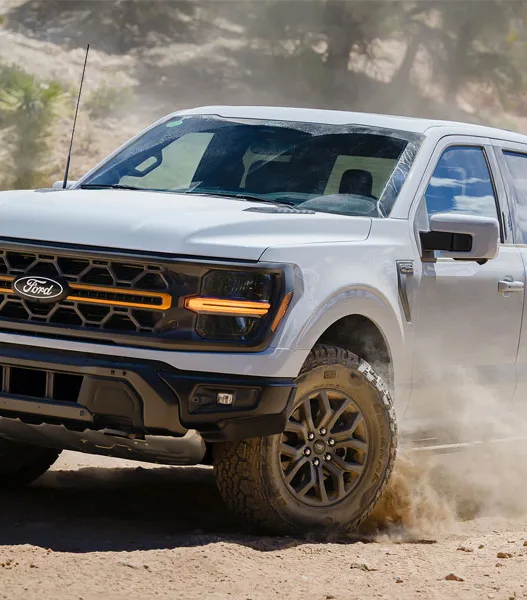





Ford Motor Company is in a fiery situation right now. The automaker issued a recall for more than 694,000 vehicles from the US market due to the potential risk of underhood fires in EcoBoost engines.
The affected models include crossovers, the Ford Escape, manufactured in the United States, and the Ford Bronco Sport, manufactured in Mexico, both powered with a 1.5-liter three-cylinder EcoBoost engine.
Interestingly, this isn’t the first time EcoBoost engines have sparked controversy. Back in time, Ford faced multiple billion-dollar lawsuits over EcoBoost V6 engines.
Continue reading the article to reveal the complete story of the recent Ford EcoBoost engine recall.
How Many Ford Vehicles are Recalled?

According to the National Highway Traffic Safety Administration (NHTSA), Ford Motor Company recalled more than 694,000 vehicles. The affected vehicles include most of Ford’s popular models, the Ford Escape (2020, 2021, and 2022) and the Bronco Sport (2021, 2022, 2023, and 2024).
In July, almost the same number of Ford Escape 2020-2022 and Bronco Sport 2021-2024 vehicles were recalled for fuel leaks that could heighten the risk of fire.
What Issue Causes this Massive Recall?
The reason for this massive recall is not something minor. There is a risk of underhood fires in the EcoBoost engines that the affected vehicles are equipped with.
Cause of the Issue
The high-pressure fuel injector XL3, specifically those with part numbers HX7G-9F597-BB and HX7G-9F597-BC, supplied by the Italian company Dumarey Flowmotion Technologies, are the main culprits.
These parts are cracking, allowing gasoline to leak into the engine’s cylinder head. If the leak contact with high-temperature surfaces, it could cause a fire under the hood.
What Could be the Reason Behind the Cracks in High-Pressure Fuel Injectors?

Here are some most common reasons behind the cracks in high-pressure fuel injectors.
- Repeated Cyclic Loading from High-Pressure Fuel Pulses and Engine Vibrations: The most common root cause of this issue is the repeated cyclic loading from high-pressure fuel pulses and engine vibrations. It leads to cracks on the outer surface of the injector nozzle or fuel lines.
- Air Enters the Fuel System: Sometimes, air enters the system due to a failed lift pump, clogged fuel filters, or leaks in the fuel supply. The air inside the system results in the fuel circulating through the injector not acting like a hydraulic cushion, causing the nozzle needle to slam violently, forming cracks in the nozzle tip.
- Failed Injector’s Combustion Seal: A failed injector’s combustion seal, such as a leaking copper tip gasket, allows combustion gases to overheat the injector nozzle, causing it to crack.
- Manufacturing Defect: Another common reason behind the cracks in fuel injectors is manufacturing or process defects. Sometimes, improper manufacturing processes, such as cold heading, can lead to bending-type folding defects that compromise integrity.
- Poorly Tuned Engine Control Unit: A poorly tuned engine control unit alters injection timing or pump output pressure, exceeding the design limits of the fuel lines and causing cracks.
Signs of Faulty Fuel Injectors
Here are some signs you should watch for if there is an issue with fuel injectors.
- Engine misfire
- Loss of engine power
- Reduced Fuel Economy
- Excessive exhaust smoke
- Rough Idle or rough engine performance
Most of these issues are connected with the amount of fuel being delivered to the engine. If there is a problem with the pressure or timing, you’ll notice a decrease in the fuel economy and engine performance.
How Dangerous Could It Be to Drive a Car With Faulty Fuel Injectors?
Suppose you continue driving a vehicle with a faulty fuel injector. In that case, it poses serious safety hazards, including sudden stalling, misfiring, rough idling, and hesitation during acceleration, all of which can compromise vehicle control and increase the risk of a crash.
After a misfire, sometimes, unburned fuel enters the exhaust system, damaging the catalytic converter and leading to vehicle breakdowns. A faulty fuel injector can also cause the engine to fail.
For example, you’re driving at a high speed and suddenly the engine fails, you’ll be in serious trouble. While short-term driving might not be dangerous, prolonged operations without noticing the issue can cause costly damage to your car.
Have any Accidents Been Reported So Far Due to this Issue?
Getting back to the recall report, some sources claim that there have been eight reported cases of fire so far in the United States. Fortunately, none of the cases have reported any human injury.
Considering the severity of the situation, Ford has immediately requested drivers to perform a software update.
What is Ford Doing to Fix the Issue?
To date, Ford is clueless about the issue. They haven’t found any permanent solution for it, as it is a mechanical failure, so a different plan has to be developed. However, in this recall, they have already asked drivers to perform a software update.
It will not solve the problem, but right now, it is the only option until the company comes up with a real solution. Ford has followed this mode of action in previous recalls in 2022 and 2025.
What Should You Do If Your Vehicle Is Recalled?
Immediately after receiving the recall news, the first major thing you should do is take your vehicle to an authorized Ford dealer.
But right now, the automaker has urged all the drivers to perform a software update, as there has been no permanent solution found for the issue yet. So, you have to do as Ford is asking you to do.
How to Prevent Fuel Injector Failure?

You can follow these proactive steps to protect fuel injectors and keep your vehicle’s engine running smoothly.
- Drive Regularly: If you haven’t driven your car for a long time, it can cause a buildup in the fuel injectors. It is recommended to drive your car daily.
- Avoid Running out of Fuel: Running out of fuel can stir up sediment at the bottom of your fuel tank, which can clog injectors.
- Only use High-Quality Fuel: Using poor-quality or contaminated fuel in your vehicle can leave harmful deposits behind, clogging fuel injectors.
- Change Fuel Filter: A fuel filter protects fuel injectors from dirt and debris. It is important to change it as recommended by the manufacturer to prevent clogs and contamination.
- Cleaning: Perform scheduled cleaning from a professional to remove buildup, improve fuel flow, and keep injectors performing without any issue.
Wrapping Up
With over 694,000 Ford vehicles at risk of underhood fires, this latest recall isn’t just another hiccup; it’s a blazing warning sign. For now, the automaker is scrambling for a permanent fix, but they have urged drivers to perform a software update.
If you own a Ford vehicle with a 1.5-liter turbocharged EcoBoost engine, it is on the recall list. On the other hand, vehicles with 2.0-liter or 2.5-liter EcoBoost engines are not on the list.
Between August 18 and 22, the owners of affected vehicles will receive information on how to proceed with their vehicles. They’ll also be informed about the solution that will be adopted.
If you want to learn about other major recalls affecting the Ford Escape, check out this recall report.
Sources: Lagrada, MDPI, Island Diesel, Highway & Heavy Parts, Firestone Complete Auto Care