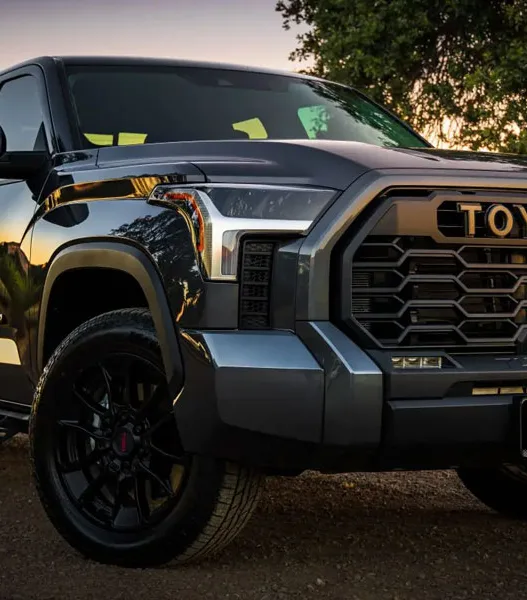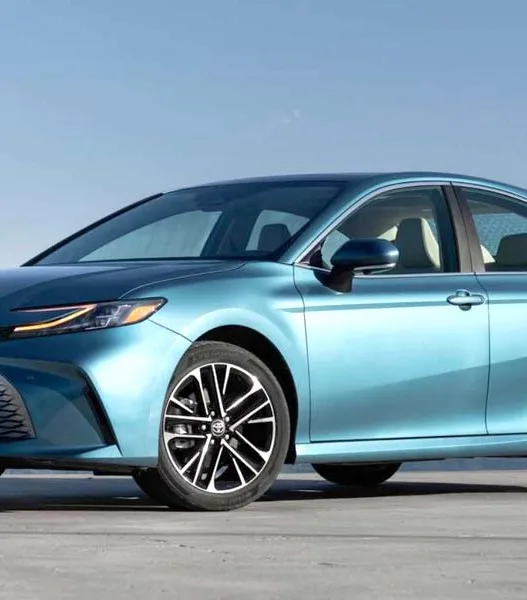





In the past, I was not a fan of Toyota vehicles. I thought they were just plain and boring. I have always leaned towards American trucks, which are loud and powerful. But my opinion changed when I got to know that Toyota is known for making highly durable and long-lasting engines in the world.
Toyota’s engines can last over 300,000 miles with proper maintenance. Many Toyota vehicles, such as the Tundra, have been known to reach over a million miles while still functioning well.
That’s why it was a shock for everyone when Toyota issued a recall for 2022-2023 Tundra vehicles due to a manufacturing defect in its 3.4-liter twin-turbocharged V6 engine in 2024.
Recalls are just common in the automotive industry, but this recall has made a significant impact on the drivers because it is not just expected from a brand like Toyota. Only the early production of this engine was affected by the issue.
Let’s dive into the complete story.
If you own a Tundra or are planning to buy one, this story matters to you. In this article, I’ll provide you with everything about the Toyota Tundra engine recall, vehicles affected, what the issue was, and how the company resolved it.
What Tundra Model Years were Affected?

According to the NHTSA report, Toyota Motor Corporation has recalled a total of 98,568 Tundra vehicles. The recall affected 2022 and 2023 model year Tundra trucks produced between November 2021 and February 2023.
Toyota produced nearly 230,000 Tundras through 2022 and 2023, and less than 100,000 vehicles were affected in the recall. The 2022 and 2023 Tundra trucks come with the i-FORCE and the i-FORCE MAX hybrid engine variants.
While both variants share the same basic architecture, the i-FORCE engine was affected in the recall. That is why the Toyota Sequoia was not part of the recall, because the i-FORCE MAX hybrid engine powers it.
What was the Issue in the Affected Vehicles?

The reason behind Toyota issued a recall for Tundra vehicles was a manufacturing defect in its 3.4-liter twin-turbocharged V6 engine.
According to the NHTSA report, the machining debris left in the engines during the production process damaged the crankshaft bearings, causing the engine failure.
Due to the nature of the issue, it was difficult for Toyota to identify exactly how many engines were affected. That is why the automaker implemented a recall of Tundras produced from November 2021 to February 2023, as per a May 30th, 2024, filing with the NHTSA.
How Bad Can a Damaged Engine Crankshaft Bearing Be?
A damaged engine crankshaft bearing can be extremely dangerous, leading to engine failure. It can cause an increase in heat, pressure and metal-to-metal contact, resulting in the distortion of the crankshaft and connecting rods.
It is also called a snowball effect, where the initial failure can destroy other components. If there is debris in the bearing, it can circulate through the oiling system, damaging the camshaft, lifters, damaging the rings and even scoring the piston skirts.
How Did Toyota Resolve the Issue?

Toyota resolved the issue by replacing the entire engine instead of fixing the damaged part. The automaker ensured that there would be no future issues and that its trucks would continue to live up to the reputation for longevity.
According to the recall, the Tundra owners were asked to immediately take their vehicles to an authorized dealer to get the engine replaced free of cost.
Are the New 2024 and 2025 Toyota Tundras Worth Buying?

Yes, you can buy a 2024 or 2025 Toyota Tundra without any hesitation. As the automaker has replaced the affected engine in the recall, the new Tundras are safer options to buy.
If you’re looking to buy a 2024 or 2025 Tundra, you can shop with confidence, as they are considered powerful and dependable trucks.
Wrapping Up
A major engine defect is not something that any car manufacturer can neglect. There should be an official recall must be issued as soon as possible before there is any news of an accident or injury.
Toyota’s recall for the affected Tundra vehicles with defective engines shows that the company is dedicated to providing reliable products to its customers. To fix the issue, the automaker replaced the entire engine.
While the 2022–2023 recall may have raised eyebrows, it’s important to remember that Toyota’s legacy of reliability is built on decades of robust engineering.
A great example of this is Victor Sheppard’s 2007 Toyota Tundra that reached 1.6 million kilometers—a record so impressive that the Japanese automaker itself bought the truck back to display it in its museum.
As a result, Toyota drivers can have trust in the company’s reputation for building eligible vehicles and standing by its products when something goes wrong.
Sources: Platinum Toyota, Haley Toyota